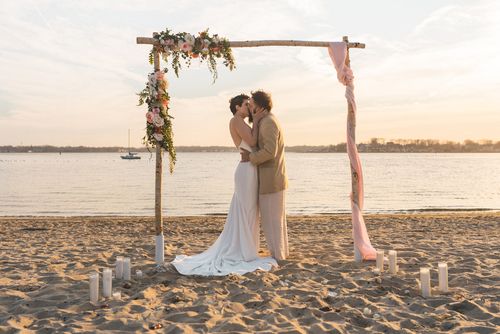
A Guide for Planning an Intimate Wedding

Grand, extravagant weddings get a lot of attention on social media, but there are so many other ways to get married. Intimate weddings have become a popular choice for couples seeking a more personal and meaningful celebration. If you choose an intimate or small wedding, you will have the chance to get creative while focusing on your love and those who are closest to you. This guide has all the info you need to plan the perfect intimate wedding.

Crafting Your Vision

Because you don’t have to follow any prescribed big-wedding traditions, your vision will mean everything when planning a small wedding event. You’ll have to start with big-picture concepts that both you and your partner agree on. Do you want a rustic outdoor celebration, an elegant indoor affair, or something entirely different? Consider the season, location, and overall atmosphere that resonates with both of you. Your vision will serve as the foundation for all your wedding decisions.

Deciding on Your Guest List

Unlike larger weddings, you will need to limit your guest list if you want to achieve the perfect intimate wedding. If you have a large family with many extended branches, you’ll have to pick and choose who to invite. Alternatively, you could keep one aspect of your wedding intimate, such as the ceremony, but still hold a large-scale reception for all the other family members.

If your dream is to have a small wedding, you will need to communicate your vision and desires to the people you care about. You might find that the people who love you are a lot more understanding than you expected.

Choosing a Location

Choosing a location can help you curate your vision for an intimate wedding. If you go for a destination wedding that is far from home, you will find that fewer people choose to attend, which will automatically limit your guest list. On the other hand, you can opt for venues closer to home such as a local beach, park, or your own backyard. The venue needs to align with your vision and accommodate you and your guests comfortably. Intimate weddings often take place in smaller, more unique locations, such as a charming garden, a cozy barn, or a historic inn.

Personalizing Your Ceremony and Reception

Intimate weddings offer the perfect opportunity to infuse your personality into every aspect of the celebration. Consider having a friend or family member officiate your wedding or invite a non-denominational minister. During the ceremony, you can read your own vows and involve close friends and family in special roles. This gives you an opportunity to share your unique love story and highlight what makes your relationship special.

For the reception, you can get as involved or be as hands-off as you want. It’s not uncommon for intimate receptions to take place at a restaurant or family member’s home. These options often relieve financial and logistical stress but might feel too disconnected from your vision. In that case, exploring catering options for small groups might be the way to go.

Capturing the Moments

Every wedding is a collection of moments that tell the story of your love. With an intimate wedding, you have the advantage of spending quality time with your guests, which creates more opportunities for candid and meaningful moments. Hire a photographer and videographer who specialize in capturing the essence of small, intimate gatherings, or ask friends and family members to step in with their own devices and share the photos and videos with you online.

Organizing an intimate wedding allows you to prioritize what truly matters: your love and the people you hold dear. Embrace the intimacy of the occasion and savor each memory. Remember that your wedding day can be as unique as your love story, and it can be whatever you want it to be.
Wedding Traditions in Indigenous Cultures

Weddings are a universal celebration of love and union, but the ways in which they are celebrated vary widely across different cultures. Indigenous cultures, with their rich histories and deep-rooted traditions, offer unique and meaningful wedding rituals that reflect their values, beliefs, and community ties. This blog explores some fascinating wedding traditions from various Indigenous cultures around the world.

Native American Wedding Traditions

Native American tribes each have their own distinct wedding customs, often involving intricate ceremonies that emphasize the connection to nature, spirituality, and community.

The Navajo Wedding

In the Navajo tradition, weddings are deeply spiritual and connected to the earth. A traditional Navajo wedding is held inside a Hogan, a sacred structure. The couple sits on a woven Navajo blanket and exchanges vows, often including prayers and blessings from a medicine man. Cornmeal, a symbol of prosperity and fertility, is sprinkled around the couple. The ceremony concludes with the couple sharing cornmeal mush, symbolizing their new life together.

The Hopi Wedding

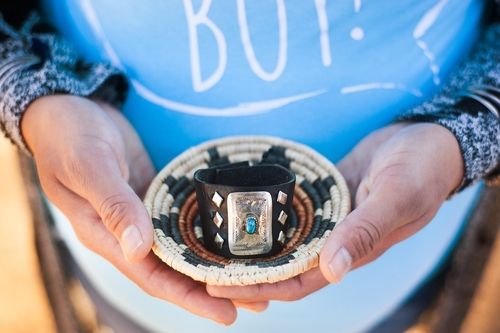
Hopi wedding ceremonies include the making of Piki bread by the bride. This paper-thin bread is a symbolic demonstration of her ability to provide for her family. The ceremony also involves the exchange of turquoise jewelry, which holds significant spiritual value in Hopi culture. The couple then plants a corn seed together, symbolizing the growth of their new life.

African Indigenous Wedding Traditions

Africa is home to a myriad of Indigenous cultures, each with unique wedding practices that often incorporate elaborate rituals, vibrant attire, and community involvement.

The Maasai Wedding

In Maasai culture, weddings are elaborate affairs that can last several days. The bride is adorned in elaborate beadwork, and her head is shaved to signify a new beginning. The ceremony includes a blessing from the elders and a traditional dance where the bride’s family showcases their joy and pride. One significant ritual is the “jumping dance,” performed by the groom and other warriors to demonstrate their strength and attract blessings.

The Zulu Wedding

Zulu weddings are vibrant and festive, involving traditional attire, music, and dance. The bride wears a traditional beaded dress and is presented to the groom’s family. The ceremony includes the “lobola” or bride price, where the groom’s family offers cattle or other gifts to the bride’s family. This practice strengthens ties between the families. The wedding feast is a significant part of the celebration, featuring traditional Zulu cuisine and communal dancing.

Indigenous Australian Wedding Traditions

Indigenous Australian cultures have diverse and rich wedding traditions that are deeply connected to their ancestral lands and spiritual beliefs.

The Traditional Smoking Ceremony

A smoking ceremony is a traditional ritual used by many Indigenous Australian groups to cleanse and protect the couple. Leaves from native plants are burned, and the smoke is wafted over the couple to ward off evil spirits and bring good luck. The ceremony also involves storytelling, where elders share ancestral stories and wisdom with the newlyweds.

The Exchange of Gifts

In some Indigenous Australian cultures, the exchange of gifts between families is a crucial part of the wedding ceremony. These gifts often include traditional tools, weapons, or artworks that symbolize the merging of the two families and their continued cooperation and support.

Wedding traditions in Indigenous cultures are deeply rooted in their respective histories, spiritual beliefs, and communal values. These traditions offer a rich tapestry of rituals that honor the union of two individuals while emphasizing the importance of community, nature, and ancestry. Each tradition provides a unique perspective on love, commitment, and the beginning of a shared journey. By exploring these diverse customs, we gain a deeper appreciation for the rich cultural heritage that continues to inspire and shape the way we celebrate love and marriage around the world.

Uniting Traditions: Wedding Rituals Involving Animals Around the World

Weddings are not just a union of two people but also a celebration of culture, tradition, and often, the natural world. Among the diverse customs that highlight the global tapestry of wedding traditions, the use of animals in ceremonies stands out. These rituals, which often involve animals, underscore the deep connection between cultural practices and the animal kingdom, reflecting beliefs, bringing good luck, and sometimes even foretelling the newlyweds’ future. 

The White Wedding Horses of India

In India, particularly in Hindu weddings, the groom’s arrival on a white horse is a significant part of the ceremony known as the “Baraat”. The horse, beautifully adorned with vibrant fabrics and sometimes even jewels, symbolizes nobility, purity, and the historical significance of the groom’s journey to his bride. This majestic animal is not only a spectacle for guests but also a bearer of good fortune and prosperity for the couple’s future life together.

The Geese of a Korean Wedding

In traditional Korean weddings, a pair of geese or ducks plays a crucial role. These birds, usually carved from wood or sometimes real, are given by the groom to his mother-in-law in a ritual called “Jeonanrye”. Geese mate for life, so they symbolize fidelity and the commitment the couple is making to each other. This thoughtful gesture highlights the values of loyalty and unity, which are central to Korean family life.

The Black Neck Crane Dance of Bhutan

In Bhutan, the black neck crane is an enduring symbol of peace and longevity, which makes its dance an auspicious sign at weddings. During some ceremonies, dancers wearing crane costumes perform elegant and symbolic dances that are believed to bring blessings and eternal love to the newlyweds. This ritual reflects the deep respect and harmony the Bhutanese people hold for their natural environment and its sacred animals.

The Butterfly Release Ritual

Popular in various countries, including the United States, the release of butterflies at the conclusion of the wedding ceremony is a visually stunning tradition. Each butterfly’s flight symbolizes new beginnings and the hope for a joyful future. This practice not only adds a magical element to the celebration but also embodies the transformation the couple undergoes as they start their new life together.

The Camel Processions of Rajasthan

In the desert landscapes of Rajasthan, India, camels are integral to local weddings. Decorated in colorful attire and sometimes painted, camels feature in large processions that celebrate the journey of the groom to the wedding venue. These animals are not only practical in the sandy terrains but are also considered symbols of love and endurance, reflecting the long-lasting nature of the marriage being celebrated.

Sheep at Scottish Weddings

In some rural parts of Scotland, it’s considered good luck for the wedding procession to cross paths with a sheep. Sheep are symbols of innocence and abundance, and encountering one on the wedding day is believed to ensure a fruitful and prosperous marriage. In these communities, the presence of a sheep is a welcome sight at any wedding procession, embodying hopes for both wealth and a growing family.

The Role of Elephants in Thai Ceremonies

In Thailand, elephants are often part of the wedding day, especially in traditional ceremonies in regions where these majestic creatures are revered. The elephant is considered a symbol of strength, good luck, and prosperity. Having an elephant at a wedding is believed to bless the union with these qualities, especially if the couple gets an opportunity to feed and interact with the animal during the ceremony.

These wedding rituals featuring animals highlight the richness of cultural diversity and the various ways in which societies value and respect the natural world. They remind us that animals are not only vital to our ecosystems but are deeply ingrained in our cultural expressions and celebrations of life’s significant moments. Each tradition, with its unique symbolism and significance, adds to the depth and beauty of the matrimonial union, making the ceremony memorable not just for the couple but for all who participate.

Post-Wedding Rites in Different Cultures

Weddings are a union of two individuals and a fusion of traditions, customs, and cultures. While the wedding ceremony often garners the most attention, post-wedding rites can be equally fascinating and significant. These rites, which vary widely across different cultures, integrate the couple into their new roles and families and often carry deep symbolic meanings. Let’s explore some of the unique and diverse post-wedding rites from around the world.

Hindu Post-Wedding Rites

Vidaai (Farewell Ceremony)

In Hindu weddings, the Vidaai marks the bride’s departure from her parental home. This emotionally charged rite signifies the bride’s transition to her new family. The bride’s family blesses her, and she often throws rice over her shoulder as she leaves, symbolizing prosperity for her parents’ home.

Griha Pravesh (Entering the New Home)

Once the bride arrives at the groom’s house, a Griha Pravesh ceremony is performed. The bride is welcomed by her new family, often with an Aarti (a ritual of worship) and a traditional game where she kicks over a pot of rice at the entrance, symbolizing the ushering in of prosperity and abundance into her new home.

Chinese Post-Wedding Rites

Tea Ceremony

In Chinese culture, the tea ceremony is an integral post-wedding ritual. The newlyweds serve tea to the groom’s family as a gesture of respect and gratitude. This rite also signifies the bride’s acceptance into the groom’s family. The family members, in return, give gifts or red envelopes filled with money to the couple as blessings.

Three-Day Return

Three days after the wedding, the bride returns to her parental home with her husband. This visit, known as “hui men,” is a formal recognition of the bride’s new status as a married woman and allows her to introduce her husband to her family.

Jewish Post-Wedding Rites

Sheva Brachot (Seven Blessings)

In Jewish tradition, the Sheva Brachot, or Seven Blessings, continue for seven days after the wedding. Each night, friends and family gather for festive meals, and the Seven Blessings are recited over wine. This period of joy and celebration reinforces the community’s role in the couple’s life.

Yichud (Seclusion)

Immediately following the wedding ceremony, the bride and groom retreat to a private room for Yichud. This seclusion allows the couple to share their first moments alone together as husband and wife, symbolizing their new private life.

African Post-Wedding Rites

Libation Ceremony

In many African cultures, post-wedding rites include a libation ceremony, where elders pour a drink, often water or alcohol, onto the ground to honor ancestors and seek their blessings for the newlyweds. This ritual underscores the importance of ancestral approval and guidance in the couple’s new journey.

Knocking Ceremony

Among the Akan people of Ghana, the post-wedding “knocking” ceremony is a time for the groom’s family to formally introduce the groom to the bride’s extended family. This event is marked by speeches, gift exchanges, and shared meals, solidifying the union between the two families.

Native American Post-Wedding Rites

Blanket Ceremony

In some Native American traditions, a blanket ceremony is performed after the wedding. The couple is wrapped in a single blanket, symbolizing their unity and the warmth of their new life together. This rite represents the couple’s commitment to support and protect each other.

The Stomp Dance

For tribes like the Cherokee, the Stomp Dance is a communal event that often follows the wedding. This dance is a celebration of community and harmony, with the newlyweds participating alongside their family and friends, reinforcing their place within the tribe.

Post-wedding rites across different cultures reflect the rich tapestry of human traditions and the universal significance of marriage. These rituals, whether they involve ceremonial tea, ancestral blessings, or communal dances, highlight the importance of family, community, and tradition in the lives of newlyweds. By understanding and appreciating these diverse practices, we gain insight into the myriad ways love and commitment are honored around the world.

Common Misconceptions About Weddings To Help You Plan Your Big Day

Getting married can be an exciting decision. Of course, it also tends to bring about a lot of stress. Even though statistics highlight that roughly 2 million people tie the knot in the United States every year, there are still a ton of misconceptions surrounding modern weddings. Review these points and gain perspective on how to best plan for your nuptials. 

Forget About Your Wedding Being the Most Important Day

Couples put a lot of pressure on themselves, their families, and their vendors when it comes to planning their weddings. This is predominantly due to the prevailing notion that a wedding is supposed to be the happiest or most important day in a person’s life. While it is definitely one of the more noteworthy events of your life, deeming it the most important is an easy way to set your expectations far too high. 

A great alternative to this mindset is to think about your wedding as the start of the next leg of your journey with your significant other. Observing this event as a transitional moment is an easy way to take some of the pressure off and allow you the flexibility to actually enjoy the experience. 

Ditch Strict Attire Guidelines 

While it is true that your wedding should be all about the wants and needs you and your partner share, you must always take your guests into consideration while planning. A great example of this can be found in the idea of the dress code. When you are strict with guidelines surrounding attire, you are often forcing your guests to jump through hoops to be in attendance. Not only is this annoying to many friends and family members, but it can cause you stress should you notice someone shows up wearing something that doesn’t match your instructions. 

Being lax with your dress code can make the event more enjoyable for everyone involved. Simply trust in the fact that the people you invite will have enough sense to wear appropriate outfits to your reception. 

Make Your Guest List Your Own

Other than you and your partner, there is no one else in your life who is required to be at your wedding. This means you should not feel obligated to invite anyone you don’t want to take part in your special day. If you have a tumultuous relationship with your parents and they refuse to give their blessing for your union, then you are allowed to refuse them invitations. Whether you’re worried about inviting a racist uncle or have a few friends who cannot control themselves around alcohol, you don’t need to include anyone you feel uncomfortable inviting to the event.

Naturally, you might need to explain your decision to those you exclude. It is also important to note that opting to not invite certain people might forever sour or break certain bonds. As long as you understand this, you are free to make whatever choices you find best regarding your guest list.

Keep Things Short

While a wedding does not need to fly by, it also should not move at a snail’s pace. One mistake many couples make is allowing certain elements of the event to drag on for far too long. This is most common with moments like the wedding party’s entrance, the speeches and toasts, and the preliminary dances between the couple and their parents. Wedding experts advise timing all of these moments in advance. If anything feels like it is going on and on, then it is in your best interest to make cuts so you can keep your guests engaged. 

Learn About Common Mistakes

Getting married might be fun, but it is far from a simple or straightforward experience. When you take time to learn about common wedding misconceptions, you can do your part to avoid committing commonplace errors.

Connect With Your Partner Before Your Wedding With These Ideas

The months leading to your wedding are going to be packed with an array of tasks and activities connected to your big day. For many couples, this leads to all of their free time being consumed by planning responsibilities. Unfortunately, this also brings about tension and frustration. To avoid this, you must spend time with your partner who is dedicated to undertakings that are unrelated to your wedding. Explore these ideas and find ways to keep the fires alive as you prepare for your nuptials. 

Keep Communicating

Conversation is key to a healthy relationship. Naturally, what you talk about makes a world of difference when it comes to how the conversations enrich your connection. During the wedding planning process, it is important to frequently check in with your significant other. Talk about how he or she is feeling and what you can do to alleviate any building stress. You should also have chats about mundane and inconsequential topics. Talk about your daily routines, thoughts about current pop culture stories, and fun facts you’ve learned about topics you find interesting. 

It may seem simple, but having time for idle chatter can help you decompress during stressful times. Plus, it strengthens your relationship by showing your partner that you are there to lend an ear or shoulder whenever the time arises. 

Commit Random Acts of Kindness

When you first met your partner, you likely spent more time and effort on little surprises. This is because the early phases of a relationship are built on such little gestures. Sadly, most people tend to commit fewer acts of kindness as they spend more time with their romantic partners. To keep the passion alive in your relationship, see how you can improve your partner’s day with little action. Running a bath and lighting candles when your significant other is coming home from a stressful day is a great example of a little action with a big emotional impact.

Look Back

It stands to reason you decided to marry your partner because you’ve spent many years growing up together. One of the best ways to keep your connection strong as you plan for your wedding is by reminiscing together. Grab your phone and open some old albums you can swipe through. Talking and laughing about adventures you’ve had in the past can help you remember why you are enduring all of the stress of planning a wedding in the first place. Take this idea a step further by visiting locations you went to during your first dates. 

Practice Respect

Having mutual respect is vital to a strong marriage. Get into the habit early by showing your partner the thoughtfulness he or she deserves as you plan your wedding. For example, your partner might be asking you for input on reception decor. If you’re not responding to this request right away, your partner might take this as a sign of disrespect. Avoid this scenario by staying on top of your partner’s needs and being open and receptive to any ideas or tasks that may emerge. 

Go Away

Taking a trip somewhere can also be a good way to shed the stress of wedding planning for a bit. While a big trip may not be in your budget, taking a small trip somewhere local can still have a positive impact on your relationship. The main goal is to dedicate time to going somewhere private where the two of you can connect and remember why you’re getting married in the first place.

Strengthen Your Bond

While preparing to tie the knot can be a thrilling time in your life, it can also be a very frustrating period. To keep the connection you have with your partner strong, be sure to step back and dedicate time to tasks and activities that will enrich the bond you share.

Creative Ways to tell the world you are engaged

There are few moments more exciting in life than the decision to get married. After you’ve spent years with your partner, you likely are ready to take your relationship to the next stage. Naturally, you’re going to want to spread this news to all of the people you love. If you’re someone who loves to get creative with such announcements, you may be wondering the best way to tell loved ones about your engagement. Consider these suggestions to discover the perfect method to let the world know you’re about to tie the knot.

The Preliminary Decisions

Before you finalize your method of announcing the engagement, you must ask yourself a few crucial questions. First, do you want to tell everyone in one swoop or are there specific people you would like to inform first? Typically, parents and siblings are people you want to make the announcement to separately from the rest of your relatives and friends. You also need to consider whether you’d like to have photos taken. If so, try and get the pictures done before you make the announcement. This gives you media you can utilize in your message about the milestone.

The Traditional Method

In some cases, the classic options are the best. If you’re someone who loves to send and receive messages via traditional mail, you may want to consider snail mail for your announcements. Though it is not a speedy method in any capacity, sending your messages out in this manner is a charming option to consider. With this option, however, you will need to make sure you have the mailing addresses of everyone you want to receive the message. You will also need to print enough copies of your engagement photos for each announcement you mail out.

The Digital Divide

Though plenty of people still use traditional mail for making important announcements, a large chunk of people have switched to digital methods of communication. Social media has radically transformed the way that most people interact and discuss big life events. The easiest and most effective way to make your engagement announcement online is by making a post on your social accounts. Facebook and Instagram are the perfect platforms for such announcements, as you can share some of your favorite engagement pictures and write a message that captures how excited you are to take this next step.

Social media isn’t the only way to make the announcement online. Though it isn’t as popular a choice, using email is still an option worth looking into. This is a fast, effective way to get the message out to hundreds of people with one single email. Again, to see success with this choice you will need to make sure you have the email addresses of every person you want to receive the message.

The Surprise

Hosting an intimate gathering of your closest friends and family members can also make for a lovely way to announce your decision. Invite everyone to your house for a dinner or a party, then make a speech thanking them for their presence and slip in the news about the engagement. The party will instantly turn into a joyous celebration of your relationship. If you’re looking to knock out the announcement and the engagement party in one shot, this is a great way to cover all of your bases in a single moment.

While it is an important decision to make, you should not spend weeks debating the best method of announcing your engagement. All you need to do is think about which option aligns best with your personality. Whether you decide to surprise family at a party or make the announcement through email, there are a ton of exciting options that can help you along the way.

The perfect Wedding dress

Everything you need to know about buying your wedding dress for your big day!

The dress. It’s a big part of the vision for your big day. Many brides dream of wedding dresses for longer than they’ve even known who would be standing at the end of the aisle on their big day. It’s an important outfit choice to be sure, and there are so many factors to consider when you’re making the big decision.

When it comes to choosing the dress you’ll wear on your wedding day, it can be difficult to know where to start. I recommend beginning by gathering inspiration. Ask yourself these questions:

  1. What are your favorite outfits? Think about the clothing you have in your closet. What are your favorite clothing items to wear? Which pieces make you feel your best? Do certain fabrics bother your skin? Does a particular sleeve length irritate you? Make notes for yourself about these preferences, because they could come in handy when dress shopping!

3.What styles flatter your body type the most? Think about the outfits you own that look the best on you. Do they have anything in particular in common? Do you love tops that have ruching at the waist, or skirts that hug your curves? Keep these things in mind as you consider your ideal wedding dress style.

4. What types of wedding dresses flatter each body type? Do you have any “problem areas” that you don’t love or want to consider in the design of your dress? If you don’t like showing your arms, you may want to find dresses with full sleeves. If you’re a little rounder in the middle, there are certain types of rushing that can really disguise and flatter your midsection.

5. What kind of venue are you using for your wedding? What is the level of formality for your event? You want the gown you choose to work well with your chosen venue and match the level of formality of your event. If you’re hosting a casual backyard wedding, a full satin ballgown encrusted with crystals may not be the most appropriate choice. Generally speaking, your wedding dress should fit the vibe of the entire event so you don’t seem out of place. If you’re getting married on a beach, steer clear of dresses with long, sweeping trains as they could make it difficult to walk.

6.During what season is the wedding taking place? What’s the average temperature? The weather could play a big part in the type of dress you choose to wear for your wedding. Keep the temperature and season in mind when choosing your dress. Lighter-weight fabrics like chiffon are great for hotter temps, while heavy satins and silks and even some laces are better worn in cooler months.

7. What type of gown will be the most comfortable to wear? You’ll likely be wearing your wedding dress for anywhere from 4-10 hours on the big day, so keep your comfort in mind. If you’re not feeling comfortable in your gown, it will likely show on your face, which won’t make for good photos.

8. Are there certain styles I am particularly drawn to? Head over to Pinterest and search for wedding dress inspiration. Start pinning dresses that you like! If you already have ideas of what you’re drawn to, try searching specifically for similar styles. Such as “Lace wedding dress” or “sweetheart neckline” or “asymmetrical wedding dress.”

Setting Your Wedding Dress Budget

9. What is your wedding dress budget? What percentage of your wedding budget should you use on your wedding dress? Learn how to decide on your wedding dress budget below: Most experts say that you will likely spend 5-10% of your budget on your wedding attire, but that’s not *just* the dress. That factors in your partner’s attire as well as any alternations or accessories like shoes, veils, ties, and the like. It also includes wedding day beauty like hair and makeup! So if you want to get a rough idea of what you could or should spend your wedding dress, we would recommend to shoot for the lower end of the spectrum (about 5%) on the dress itself.

Shopping for Your Wedding Dress

10. Should I shop in-person or online? What does your schedule allow for? Do you have a few weekends to dedicate to visiting bridal shops to try on some dresses in-person? Or would you rather have the convenience of shopping online? There are many online options that make it possible for you to “try before you buy” at home, or at least have generous and flexible return policies.

11. What should I bring with me to my appointment? Undergarments. If you’re not 100% sure on the type of dress you’re going to buy, it’s best to bring a few different styles of bras to try on with your dresses. It’s also important to bring a pair of shoes similar to the style/heel height you plan to wear on the big day.

12. What do I need to know before going to try on wedding dresses? Know the types of styles you are drawn to but be open to trying different things. Also, be open to potentially altering any of the dresses you find to make them absolutely perfect for you! You should definitely know your MAX budget for your dress, and be sure to leave room for potential alterations in the cost.

13. How do I find a dress within my budget? Once you’ve set a general budget for yourself and gotten an idea of what you like, you can start seriously shopping! When you visit salons, let them know what your budget is. Ask them to not show you anything over your budget if you are really tight when it comes to your expenses.

Wedding Planning Checklist

5 things for a great wedding celebration

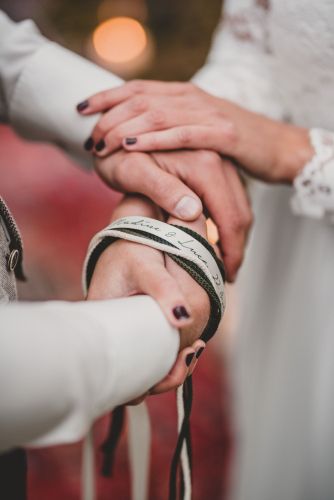
  1. The ceremony itself is the most important. You want to remember it for a lifetime, so be sure to include memorable moments, such as unity candle ceremony or a handfasting. The ceremony won’t last long, but will be remembered forever.
  2. The wedding food. This can make or break your wedding day. Do food tastings, even if it is not an expensive 3- course meal. No matter what you serve to your guests, make sure it is suitable for the most important day of your life, so far.
  3. Drinks. No matter whether you are going to serve alcoholic beverages or not, make sure you have enough. Provide enough hydration to go around. If you want to serve alcohol but it is too expensive, offer a cash bar. People understand that everything is pricey these days, and they won’t mind paying if they want to enjoy a drink.
  4. Music. Oh so important. This sets the mood for the whole event. A band is a great idea, or even a DJ. Please do your research before hiring someone. Make sure that they know your vibe, and will play what you want to hear. Give them a playlist and see if they can provide whatever type of music that you are into.
  5. Last but definitely not least is a banging dance floor. Smaller is better for this. People seem to be intimidated by large empty spaces and don’t want to draw attention to themselves. Make it small and it will be buzzing.