
Wedding Traditions in Indigenous Cultures

Weddings are a universal celebration of love and union, but the ways in which they are celebrated vary widely across different cultures. Indigenous cultures, with their rich histories and deep-rooted traditions, offer unique and meaningful wedding rituals that reflect their values, beliefs, and community ties. This blog explores some fascinating wedding traditions from various Indigenous cultures around the world.

Native American Wedding Traditions

Native American tribes each have their own distinct wedding customs, often involving intricate ceremonies that emphasize the connection to nature, spirituality, and community.

The Navajo Wedding

In the Navajo tradition, weddings are deeply spiritual and connected to the earth. A traditional Navajo wedding is held inside a Hogan, a sacred structure. The couple sits on a woven Navajo blanket and exchanges vows, often including prayers and blessings from a medicine man. Cornmeal, a symbol of prosperity and fertility, is sprinkled around the couple. The ceremony concludes with the couple sharing cornmeal mush, symbolizing their new life together.

The Hopi Wedding

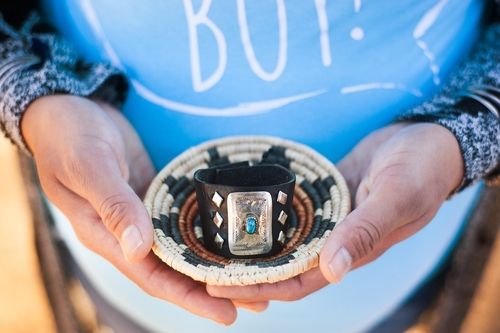
Hopi wedding ceremonies include the making of Piki bread by the bride. This paper-thin bread is a symbolic demonstration of her ability to provide for her family. The ceremony also involves the exchange of turquoise jewelry, which holds significant spiritual value in Hopi culture. The couple then plants a corn seed together, symbolizing the growth of their new life.

African Indigenous Wedding Traditions

Africa is home to a myriad of Indigenous cultures, each with unique wedding practices that often incorporate elaborate rituals, vibrant attire, and community involvement.

The Maasai Wedding

In Maasai culture, weddings are elaborate affairs that can last several days. The bride is adorned in elaborate beadwork, and her head is shaved to signify a new beginning. The ceremony includes a blessing from the elders and a traditional dance where the bride’s family showcases their joy and pride. One significant ritual is the “jumping dance,” performed by the groom and other warriors to demonstrate their strength and attract blessings.

The Zulu Wedding

Zulu weddings are vibrant and festive, involving traditional attire, music, and dance. The bride wears a traditional beaded dress and is presented to the groom’s family. The ceremony includes the “lobola” or bride price, where the groom’s family offers cattle or other gifts to the bride’s family. This practice strengthens ties between the families. The wedding feast is a significant part of the celebration, featuring traditional Zulu cuisine and communal dancing.

Indigenous Australian Wedding Traditions

Indigenous Australian cultures have diverse and rich wedding traditions that are deeply connected to their ancestral lands and spiritual beliefs.

The Traditional Smoking Ceremony

A smoking ceremony is a traditional ritual used by many Indigenous Australian groups to cleanse and protect the couple. Leaves from native plants are burned, and the smoke is wafted over the couple to ward off evil spirits and bring good luck. The ceremony also involves storytelling, where elders share ancestral stories and wisdom with the newlyweds.

The Exchange of Gifts

In some Indigenous Australian cultures, the exchange of gifts between families is a crucial part of the wedding ceremony. These gifts often include traditional tools, weapons, or artworks that symbolize the merging of the two families and their continued cooperation and support.

Wedding traditions in Indigenous cultures are deeply rooted in their respective histories, spiritual beliefs, and communal values. These traditions offer a rich tapestry of rituals that honor the union of two individuals while emphasizing the importance of community, nature, and ancestry. Each tradition provides a unique perspective on love, commitment, and the beginning of a shared journey. By exploring these diverse customs, we gain a deeper appreciation for the rich cultural heritage that continues to inspire and shape the way we celebrate love and marriage around the world.
Post-Wedding Rites in Different Cultures

Weddings are a union of two individuals and a fusion of traditions, customs, and cultures. While the wedding ceremony often garners the most attention, post-wedding rites can be equally fascinating and significant. These rites, which vary widely across different cultures, integrate the couple into their new roles and families and often carry deep symbolic meanings. Let’s explore some of the unique and diverse post-wedding rites from around the world.

Hindu Post-Wedding Rites

Vidaai (Farewell Ceremony)

In Hindu weddings, the Vidaai marks the bride’s departure from her parental home. This emotionally charged rite signifies the bride’s transition to her new family. The bride’s family blesses her, and she often throws rice over her shoulder as she leaves, symbolizing prosperity for her parents’ home.

Griha Pravesh (Entering the New Home)

Once the bride arrives at the groom’s house, a Griha Pravesh ceremony is performed. The bride is welcomed by her new family, often with an Aarti (a ritual of worship) and a traditional game where she kicks over a pot of rice at the entrance, symbolizing the ushering in of prosperity and abundance into her new home.

Chinese Post-Wedding Rites

Tea Ceremony

In Chinese culture, the tea ceremony is an integral post-wedding ritual. The newlyweds serve tea to the groom’s family as a gesture of respect and gratitude. This rite also signifies the bride’s acceptance into the groom’s family. The family members, in return, give gifts or red envelopes filled with money to the couple as blessings.

Three-Day Return

Three days after the wedding, the bride returns to her parental home with her husband. This visit, known as “hui men,” is a formal recognition of the bride’s new status as a married woman and allows her to introduce her husband to her family.

Jewish Post-Wedding Rites

Sheva Brachot (Seven Blessings)

In Jewish tradition, the Sheva Brachot, or Seven Blessings, continue for seven days after the wedding. Each night, friends and family gather for festive meals, and the Seven Blessings are recited over wine. This period of joy and celebration reinforces the community’s role in the couple’s life.

Yichud (Seclusion)

Immediately following the wedding ceremony, the bride and groom retreat to a private room for Yichud. This seclusion allows the couple to share their first moments alone together as husband and wife, symbolizing their new private life.

African Post-Wedding Rites

Libation Ceremony

In many African cultures, post-wedding rites include a libation ceremony, where elders pour a drink, often water or alcohol, onto the ground to honor ancestors and seek their blessings for the newlyweds. This ritual underscores the importance of ancestral approval and guidance in the couple’s new journey.

Knocking Ceremony

Among the Akan people of Ghana, the post-wedding “knocking” ceremony is a time for the groom’s family to formally introduce the groom to the bride’s extended family. This event is marked by speeches, gift exchanges, and shared meals, solidifying the union between the two families.

Native American Post-Wedding Rites

Blanket Ceremony

In some Native American traditions, a blanket ceremony is performed after the wedding. The couple is wrapped in a single blanket, symbolizing their unity and the warmth of their new life together. This rite represents the couple’s commitment to support and protect each other.

The Stomp Dance

For tribes like the Cherokee, the Stomp Dance is a communal event that often follows the wedding. This dance is a celebration of community and harmony, with the newlyweds participating alongside their family and friends, reinforcing their place within the tribe.

Post-wedding rites across different cultures reflect the rich tapestry of human traditions and the universal significance of marriage. These rituals, whether they involve ceremonial tea, ancestral blessings, or communal dances, highlight the importance of family, community, and tradition in the lives of newlyweds. By understanding and appreciating these diverse practices, we gain insight into the myriad ways love and commitment are honored around the world.

A Look at Wedding Superstitions

When you think of wedding traditions, you may think of things like the bride wearing white, throwing the bouquet, and the groom not seeing the bride before the wedding. While modern wedding couples may not use these somewhat old-fashioned traditions as frequently now, they are still often the framework for how the wedding ceremony will go.

Many of these traditions are the result of superstitions. For example, many cultures believe that wearing a particular color, performing a specific ritual, or following a certain set of rules will ensure that the wedding is prosperous and will have good luck. These traditions and superstitions can vary widely in different cultures.

Something Old, Something New

Something old, something new, something borrowed, and something blue suggests that the bride wears something in each category for good luck. Something old represents the bride’s past, something new represents her new life, something borrowed represents good luck from someone who has had a good marriage, and something blue represents love, fidelity, and purity. This tradition originated in England back in the 19th century.

Bride Wears Red

The Chinese believe the bride wearing red will bring luck and good fortune to the marriage. The bride may also have a red veil to help ward off evil spirits and show as a symbol of her purity. However, no wedding guest should wear red, as the wedding couple may see it as a sign of disrespect.

Exchanging Garlands of Flowers

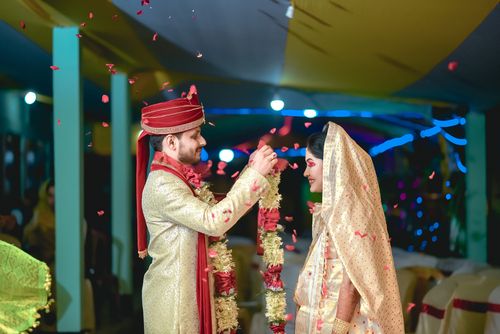
An Indian tradition is for the bride and groom to exchange garlands of flowers during the wedding ceremony. Afterward, the bride and groom give each other gifts. This is symbolic of two souls meeting, as well as the merging of two families of traditions and customs into one.

Asking the Father for Permission

A longstanding tradition is a groom asking the bride’s father’s permission to propose. This blessing is seen as a sign of good luck and is believed to lead to a successful marriage. However, many do not ask for the father’s permission and propose despite the lack of the father’s blessing. This tradition can be complicated if the bride has no relationship with her father or if the father has a different idea of what kind of man should marry his daughter than she does.

Dangerous Wedding Traditions

These wedding traditions and superstitions are harmless, but some can be dangerous. For example, a Chinese bride was forced to sit in a basket for five hours to encourage her good temper. As she sat in the basket, her feet could not touch the floor, and she was not allowed to move. This ritual could have caused issues for the bride if she had low blood sugar or got dizzy during the process.

In addition to helping her have a good temper, it is also believed that this ritual brings good luck to the husband’s family. However, many people were outraged at the practice, calling it outdated and unnecessary. 

Decline in Weddings

Not only have weddings become more untraditional over the years, but they are also declining. Many people find they are happy enough being in a committed relationship, and some even believe that weddings are bad luck and would hurt the relationship. Some use the tongue-in-cheek expression that 100% of divorces start with marriage. Not to mention, the stress of wedding planning and expectations makes them believe the wedding is not worth it.

If you plan on getting married, whether you decide to implement some of these traditions depends on your culture and whether you are superstitious. However, you may believe that getting married is a bad luck charm for your relationship and decide to stay content with how you are.