Greece Makes History as First Orthodox Christian Nation To Legalize Gay Marriage

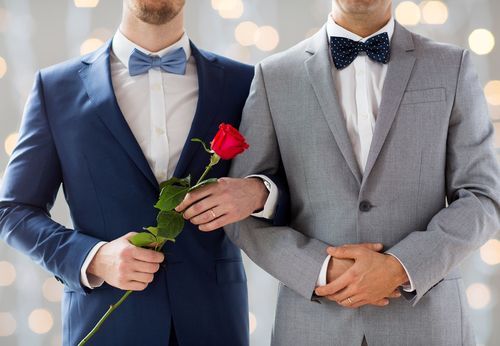
On February 15, 2024, a wave of change swept Greece as the nation became the first majority Orthodox Christian country to legalize same-sex marriage. This landmark decision passed in Greece’s parliament with a 176-76 vote. Learn more about how Greeks are reacting to this major development and what this might mean for queer people in other conservative Christian countries.
A Step Towards Acceptance
The legal recognition of same-sex marriage offers crucial protections and benefits for the LGBTQIA+ community in Greece. This new law grants same-sex couples the right to marry civilly, offering them the same protections and recognition as heterosexual couples. Additionally, it allows them to adopt children, further solidifying their rights and responsibilities as families.
Beyond the law, the fact that the Greek parliament openly supports the LGBTQIA+ community sends a powerful message of acceptance and inclusivity. Not only will queer people be able to get married legally, but they can feel safe in declaring their love, building families, and participating fully in society without fear of exclusion.
A Nation in Dialogue
This decision has not come without its share of controversy. The powerful Greek Orthodox Church, deeply rooted in traditional interpretations of scripture, expressed strong opposition. Some politicians and segments of the population echoed this sentiment, arguing that the law undermines the sanctity of marriage and family values.
Yet, a significant portion of the Greek public, including the LGBTQIA+ community and their allies, celebrated the decision as a long-awaited victory for human rights. They hailed it as a sign of progress and a testament to the evolving values of modern Greece. This vibrant dialogue reflects the complex tapestry of beliefs and perspectives within the nation.
The Spectrum of Orthodox Views on the LGBTQIA+ Community
The Orthodox Church officially upholds traditional teachings on marriage and sexuality, viewing it as a sacred union between a man and a woman, aimed at procreation. Homosexual acts are generally considered sinful, and same-sex relationships are not recognized as marriages. This stance is based on biblical interpretations and theological doctrines.
However, individual Orthodox Christians hold a wider range of views on the LGBTQIA+ community. While some adhere to the official teachings, others express varying degrees of openness and acceptance. Some emphasize the importance of welcoming and supporting LGBTQIA+ individuals within the Church community, even if they disagree with their choices. Others advocate for a more nuanced understanding of scripture and theological interpretations, arguing for inclusivity and compassion without compromising core beliefs.
Hope for the Orthodox World
The impact of Greece’s decision transcends its borders. It serves as a beacon of hope for LGBTQIA+ individuals in other Orthodox Christian countries, many of which continue to grapple with similar issues. Much of Eastern Europe is Orthodox Christian, and historically, LGBTQIA+ people have experienced heavy discrimination and sometimes outright violence in countries such as Belarus, Lithuania, and Romania. While cultural and religious contexts differ, this groundbreaking legislation offers a powerful precedent and potential inspiration for future change.
Navigating the Road Ahead
The road to full and equal implementation of this law won’t be easy. Combating potential discrimination and ensuring equal access to marriage rights and adoption processes will require ongoing vigilance and effort. However, the legal framework now exists, paving the way for further dialogue and potential reform within the Orthodox Church itself.
Greece’s historic decision to legalize same-sex marriage marks a turning point, not an ending. It represents a significant step forward for LGBTQIA+ rights in the country and offers a glimmer of hope for a more inclusive future across the region. While challenges remain, this milestone serves as a reminder that gradual progress is possible, and the pursuit of equality is a journey worth taking.


Why Cemetery Weddings Are Gaining Popularity

Cemetery weddings are a popular new trend, especially among young people.

Cemetery weddings are a popular new trend, especially among young people.
When you think of a wedding, you might picture a ceremony in a traditional religious venue like a church, or perhaps on a picturesque beach or in a rustic barn. Maybe the last location to come to mind? A graveyard.

Yet, cemetery weddings are more common than most people realize – and they’re getting more popular. While the idea may seem a bit morbid on its face, there is a deeper level to tying the knot in a burial zone. Getting married in a cemetery is another unique way to celebrate love, yes, but it can also be a way to honor the dead, add solemnity to the occasion, or even save on wedding costs.

The Origins of Cemetery Weddings
Unlike many modern wedding trends, the origins of cemetery weddings are difficult to trace. Graveyards have existed for as long as human settlements, which suggests that people have been using these spaces for important occasions for thousands of years.

So, why get married there? One reason is a desire to connect with both living family members and ancestors who have passed on, making a cemetery an ideal setting to honor one’s heritage during such a significant moment in one’s life.

Interestingly, there was also a more practical reason for cemetery weddings in the past. Historical records indicate that during the Black Plague, Jewish customs sometimes included conducting weddings in cemeteries as a way to ward off death. The belief was that by surrounding oneself with death, it was possible to appeal to God in a humble manner, seeking a form of protection for the newlywed couple.

Why Cemetery Weddings Are Growing in Popularity
After decades (or even centuries) of weddings generally looking very similar, in more recent years, couples have been eager to realize their own unique vision for their big day by doing something different. Holding a wedding in a cemetery is part an outgrowth of that desire to break the mold.

Cemeteries are traditionally thought of as macabre places, but they are often quite beautiful, too. Not only are some of the finest landscaping and gardens can be found in cemeteries, but they are also home to the final resting place of past generations. For example, couples may hold a fascination with the afterlife that could add a layer of meaning to a cemetery wedding. For those who believe in the power of spirits, it can be comforting to know that one’s wedding attendees are not limited to the guest list.

Handling Judgment From Others
However, planning a cemetery wedding can come with a big challenge: stigma. Inviting guests to attend a wedding in such close proximity to a burial site can sometimes invoke negative feelings from friends and family – something couples should prepare for and have a plan for how to handle comments, concerns, or even complaints.

The internet is full of stories of couples who have their hearts set on cemetery weddings… but are struggling to explain their vision to wedding guests. One Reddit user posted their story to ask for advice:

“[Future husband] and I are getting married in a newly restored chapel in the local cemetery. We will be the first wedding there in its history. It was built in the 1880s and it is tiny, simple, peaceful, and quaint. The atmosphere itself requires little to no decor added. Good to know that [future husband] and I are paying for everything ourselves and this venue is free because it seems we are making local history.

The problem is, folks think we are morbid. Wedding date is Friday, 13 March of this year. We chose that date only because we found ridiculously inexpensive flights for our honeymoon for the very next day (Paris, if anyone wants to know).

I’ve gotten nothing but negative comments from family, friends, coworkers, and acquaintances. I’ve decided to roll with it and say, ‘I’ll have all the corpses in town because they’re decidedly nicer than most of the live ones around here.’ I’ve taken walks there throughout my life and being there has always made me feel calm. A place that is usually filled with grief deserves a bit of joy.

But my question is, has anyone else flown in the face of tradition and done what they want in an unconventional place that makes them feel good despite the constant snark from others?”

Responses to the post included stories from other couples who’ve had similar experiences.

“I had a cemetery wedding too. Yes my co-workers were totally freaked out by it. But once people saw the pictures I think they ‘got’ it, and actually thought it was really beautiful – i.e. more like a historical garden than a cemetery,” wrote one commenter.

“Eh if they object they can rsvp no – I think it’s original!!!” another added.

Dealing With Dissent
You might encounter some resistance when you share your plans about the big day. Some people in your life might view a cemetery wedding as disrespectful or believe it invites bad luck.

Superstitions and beliefs vary widely across cultures and individuals, so it’s important to explain your decision to your guests in a straightforward and honest way. Be prepared for the possibility that some loved ones might choose not to attend because they feel uncomfortable with the setting.

How to Host a Cemetery Wedding
As with any wedding venue, planning a cemetery wedding involves following specific steps. First, you’ll need to find a suitable cemetery venue and ensure it is open to holding events.

It would be advisable to coordinate to schedule your wedding at a time when there are no planned burials or funerals. Although it’s your special day, the needs of those using the cemetery for mourning and remembrance may take precedence.

Once you’ve secured a venue, another critical aspect will be deciding on an officiant. On that score, online ordination has been a popular tool among couples planning a non-traditional wedding like a cemetery ceremony. With just a few clicks, a friend or family member can get ordained online and become authorized to perform a legal wedding ceremony.

Respecting Hallowed Ground
Above all, it’s essential to remember that cemeteries are sacred spaces, serving as the final resting place for those who have passed away. Treat the space with the respect and reverence it deserves, and stay away from behaviors that might be considered disrespectful in such a solemn environment.

While the idea of a cemetery wedding may seem unconventional, it’s not as unusual as it might initially appear. If this setting resonates with you, take the time to plan an event that is both respectful and meaningful, ensuring that your special day reflects your unique love story.

7 Things to Consider When Planning a Nude Wedding

Interested in exchanging vows in the buff? If you’re a nudist or naturist at heart, you may be envisioning a nude wedding ceremony. While certainly unconventional, a nudist wedding can be an authentic and liberating way to say “I do.”

In fact, nudist weddings are on the rise. Whether that’s because nudism is becoming more mainstream, more couples want the excitement that comes with baring it all at the wedding altar, or summer wedding season is simply getting too hot for clothes, who’s to say. Whatever your reason, here’s what you need to know.

This guide covers every aspect to consider before getting married naked, from finding a nudity-friendly venue, to the invitations, to certain practical considerations unique to nude weddings.

Here are the top seven things to know when planning a nude wedding.

  1. Know the Law
    Before you get too invested in your naked wedding dreams, it’s crucial to understand the legal aspects of stripping down.

The rules surrounding nudity in public spaces vary from place to place, and quite obviously, public nudity is not allowed in a great many locations.

Research local laws to find suitable locations where you can conduct a nude wedding ceremony without legal complications (and keep in mind, it is entirely possible you’ll need to travel if you’re in a state or county where public nudity is universally banned).

  1. Location, Location, Location
    Picking the ideal spot for your nudist wedding is of paramount importance.

Nudist resorts or secluded beaches are popular choices, but know that some of these places may be tailored to specific demographics (the elderly, the LGBTQ+ community, women only), so double check that you and your nude wedding party will be a welcome addition to the space. If you’d like a little more privacy, consider a private property or even a rented venue that allows nudity.

Finally, make sure to have a backup plan in case of unfavorable weather conditions. No one likes rain on their wedding day; doubly so when your wedding day is also clothing optional. Tents, awnings, and towels will be a lifesaver if your nude wedding gets rained out.

  1. Communicate About the Dress Code (Or Lack Thereof)
    Your guests should be informed about the nudist nature of your wedding. Make it crystal clear on the invitation that they will see nude bodies, including your own – and if that’s not something they’re comfortable with, politely suggest that they refrain from attending.

Additionally, let guests know your expectations for their dress. If guests are also invited to join in the clothing optional fun, give them a heads up well ahead of time.

Respect that not everyone may be comfortable with this, and be prepared for some folks to decline your invite.

  1. Choose Your Officiant Carefully
    You’ll obviously need an officiant who’s comfortable conducting a nude ceremony. Some organizations specialize in this, so do your research to find someone who aligns with your values.

Another popular solution: if you have like-minded friends or family members who you think would make a great wedding officiant, ask them to get ordained online with the ULC so that they can perform your nude marriage ceremony. And it goes without saying that if you want your officiant to follow the dress code you should let them know from the outset.

Considering the unconventional nature of the ceremony, you might ask the officiant to explain during the proceedings why you’ve chosen to have a nudist wedding in the first place.

Whether it’s because you feel a spiritual connection to nature when nude, you feel it promotes body acceptance, or you just don’t like clothes, asking your wedding officiant to briefly speak on your clothing optional decision is a reasonable request considering the situation.

  1. Match Wedding Decor and Atmosphere
    Many nudists describe experiencing an ethereal bond with the natural world while unclothed, and a minimalist aesthetic often complements the natural vibe of a nudist wedding. Think flowers, candles, and simple, organic materials. You’ll probably want the event to highlight the beauty of the human body and the natural surroundings, rather than lavish decorations.
  2. Consider the Comfort of Guests
    While a nudist wedding may sound liberating, it also comes with some practical concerns. Make sure to provide adequate seating that won’t cause discomfort for your guests, like padded chairs or towels. Remember to source supplies like sunblock, insect repellent, surface sanitation, and other necessities to keep everyone in attendance comfortable and safe.
  3. Don’t Forget About Photography (and Other Vendors)
    If you’d like to capture your special day, a professional photographer experienced in nudist events will be invaluable. Be clear about your boundaries and how explicit or subtle you’d like the photos to be. A photographer who can be discreet and professional in this situation is a must, so be sure to vet them wisely.

Additionally, any other vendors you hire for the event should be aware of your plan, and you’ll need to confirm that they are fully comfortable viewing and being around nudity while in attendance.

Remember to Enjoy the Moment
A naturist wedding can be a liberating and genuine expression of the openness you practice with your significant other and the partnership you share. Just realize that there are some important considerations that come with nude weddings that simply aren’t present at more conventional ceremonies.

Planning carefully, respecting your guests’ comfort zones, and focusing on the emotional aspect of the ceremony will help make your special day go smoothly. With thorough research and thoughtful consideration, you can have the nudist wedding of your dreams.

Good luck, and may your wedding day be as authentic and beautiful as you are!

Brides Across America Helps Warrior Women Wed

Free Wedding Dresses for Deserving Servicewomen

There are currently more than 200,000 women serving on active duty in the United States military. This accounts for nearly 15 percent of the troops. The branch that boasts the most women is the Army, with around 74,000. The branch with the smallest number of female recruits is the Marines, with 14,000.

One thing many of these women have in common is that they plan to marry after finishing their tour of duty. For some women overseas, the thought of coming home and starting a family with a loving fiance is one of the few things that sustains them when times get tough. The organization Brides Across America provides a valuable service for these brides to be in the form of free wedding dresses for all female veterans of the armed services.

What Is Brides Across America?

Brides Across America is an organization dedicated to matching the perfect gown to a deserving military bride. Many of the dresses the organization offers are designer pieces that might cost several thousand dollars if they were purchased new. This is out of the price range of many veterans, so Brides Across America allows them the experience of donning a luxurious designer wedding dress.

The organization puts on events twice a year in dress shops across the country, often favoring smaller towns or areas that are a little off the beaten path. Women attending the even do not have to be from the area in which it is being held, so Brides Across America often attracts women from across the country.

Where Do the Dresses Come From?

The wedding dresses the organization offers are donated by boutiques or purchased with funds from financial donors, so there is no cost to the women who want to take part in a Brides Across America event. Some of the financial sponsors boasted by the organization include Microsoft, Samuel Adams Breweries, and Allure Bridals which keeps Brides Across America supplied with a selection of gowns.

Who Is Eligible for a Dress?

Military veterans who served on active duty overseas in the last five years, and who are planning a wedding the next eighteen months can qualify for a gown. Navy veterans who were deployed in international waters also qualify. Brides to be are required to register in advance for the event that they want to attend. On the day of the event, they must present discharge papers or other proof of deployment.

Who Runs the Organization?

Brides Across America is the brainchild of Heidi Janson. Janson is the owner of Tulle Bridals, a massive wedding dress and formal gown shop in Massachusetts. She was inspired to start Brides Across America in 2008 as a way of giving back to military veterans. She furnished the 50 gowns that were given away at the first Brides Across America event from her own store’s stock.

Hundreds of veterans have already received wedding dresses at Brides Across America events around the country. The huge selection of gowns in all sizes an styles ensures that women are all bu guaranteed to find the perfect dress. According to one coordinator for an event, only one woman ever walked away from a Brides Across America event without the perfect dress for her big day.

Wedding for Kermit and Ms Piggy, and Many Others

There is typically an element of uncertainty in any relationship as to whether a couple will ultimately end up together and get married. In some cases, the drama is more exhaustive than others; Kermit and Ms Piggy are one such example. Their relationship has been a work in progress since the 70’s and has persevered through TV shows, video games, theme park appearances and many movies, including the recently released “Muppets Most Wanted.” Here are some other Hollywood couples who have had their own turbulent relationships.

Carrie and Mr. Big

The relationship of “Sex and the City’s” Carrie Bradshaw and Mr. Big held fans of the series captive for six seasons. Many hearts were broken along the way, including Carrie’s several times; most famously when they were supposed to get married and Big left her standing at the altar in a Cinderella wedding gown. At the series’ conclusion Mr. Big follows Carrie to Paris and convinces her to come back to New York so they can be together.

Carrie and Brody

Carrie and Brody from “Homeland” definitely have challenges in their relationship. In this popular Showtime series, she is a CIA officer with a bi-polar disorder and he is a Marine Corp sniper who was previously held captive by Al-Qaeda. There have certainly been cloak and dagger elements to Kermit and Ms Piggy’s relationship, but the Homeland characters may have more riding on the outcome.

Olivia Pope and President Fitzgerald Grant

Even though “Scandal’s” President Fitzgerald Grant is the most powerful man on the plant, he and Olivia Pope can’t seem to make their relationship to work, no matter how hard they try. When evaluating relationships with challenges, one that involves a married president trying to have an extramarital affair with a former employee and trying to run the country at the same time is in a class by itself.

Ross and Rachel

No list of “on again off again” relationships would be complete without Rachel and Ross of “Friends.” Their ups and downs were chronicled over 10 years of the hit TV show. In the last season, they finally get their happy ending; Rachel is on her way to Paris to start a new job and Ross convinces her he loves her and gets her to stay in New York.

There are many great relationship sagas; some are personal and private and others play out on the big screen, like the one between Kermit and Ms Piggy. No matter your preferences, it can sometimes be hard to predict which couples will get married and which ones will not.

Crafty Wedding Ideas

Valentine’s Day has come and gone, flowers are blooming, and the spring sunshine seems to be adding a bit of cheer to the day. With summer now on its way, many happily engaged couples are beginning to plan for their wedding ceremonies. If you are a bride, groom or an online minister, take a look at the following crafty wedding ideas for flowers, decorations, and party favors.

DIY Flowers

While fresh flowers and luscious bouquets can add elegance and beauty to your wedding, you may be able to save a lot of money by building your own flower decorations using silk or paper flowers. If you would like to try creating your own bouquets or decorations, you might want to start stocking up on the following materials:

  • Green floral tape
  • Crepe paper in a variety of colors
  • Floral stem wire
  • Flower and leaf templates
  • Craft glue

You can find a great number of ideas and templates for these flowers on the Internet or in magazines, as paper flowers are becoming very popular! You might find it helpful to start experimenting with different designs before you choose your style. Then you can have flower-making parties with your friends and family so you can make all your flower decorations in advance. By saving money on floral decorations, you may be able to splurge just a bit on the bridal bouquet and groom’s boutonnière.

Mason Jar Center Pieces

Mason jars have become inexpensive components of many crafty wedding ideas as well. You can find these at antique shops or local retailers for very affordable prices. You can tie ribbon around them and place small candles inside to create simple but lovely centerpieces. You can also paint them with glitter, cover them in lace, or place hand cut flowers inside them to create joyful and easy table decorations. You may even find it romantic to glue pieces of sheet music from your own wedding song onto the inside or outside of the jars and adorn them with vintage buttons or small silk flowers.

Party Favors

If you would like your guests to leave your wedding with small party favors of their own, why not send them home with one or two of the following:

  • A small jar of local honey tied up with ribbon and a personalized stamp
  • A small bag tied with ribbon containing the ingredients to make S’mores
  • A mixed CD of songs played at your wedding
  • A small bag of chocolates attached to a card that you and your fiance can sign and say thanks for coming

You do not have to spend much money to create personalized and fun party favors for your guests. Some couples even let their guests take home flowers and centerpieces in order to minimize clean up and storage of these materials.

These crafty wedding ideas offer just a small taste of the many affordable, delightful, and simple ways to decorate, celebrate, and remember your wedding.

Marriage Finances Guide

Along with their other personality traits, newlyweds come pre-wired with views and behaviors toward money. Because of temperament, the way they were raised, and/or situations that may have occurred in the past, individuals end up with different financial personalities, including savers, spenders, risk takers, and avoiders. Each personality type interacts with the almighty dollar in unique ways. The more open that a couple can be about their marriage finances from the start, the happier their financial lives will probably be.

Savers

Savers don’t feel safe unless they have a large balance in their bank accounts. A couple’s comfort level regarding joint account balances should be discussed upfront. If one person can’t sleep at night without a healthy reserve and the other couldn’t care less about saving, problems are likely to occur. This is the time for compromise and open communication.

Spenders

Spenders love to buy things and often show their affection by bestowing pricey gifts on loved ones. The individuals in this category are often well acquainted with the term “burning a hole in one’s pocket.” These men and women often find comfort in shopping. If they’re not careful, spenders can wind up in debt.

Risk Takers

Risk taking personalities can make or break the bank on a regular basis. These partners might invest in crazy schemes, gamble, or play the stock market. On one hand, they might be quite wealthy, because they play the odds, and sometimes win. But, on the flip side of that coin, they can create havoc with their marriage finances, especially if they are married to savers.

Avoiders

Avoiders just don’t feel comfortable talking about or thinking about budgets, income, or outgo of funds. They may break into cold sweats, leave the room when the subject comes up, or simply clam up and go silent. If either partner falls into this category, he or she will need to loosen up a bit, or there could be some sticky situations ahead.

Marriage finances can be rosiest when each partner understands the other’s money personality. Open communication, trust, and acceptance will go a long way towards marital harmony for savers, spenders, risk takers, and avoiders.

Pros and Cons of Eloping

Are you overwhelmed by the idea of hosting hundreds of people at a grand wedding? Eloping is a romantic alternative that can save you time and lower your stress. Of course, there are still pros and cons to consider before making your final decision about how you want to get married. As a couple contemplating elopement, you’ll find this guide invaluable in navigating the complexities of such a choice.

Pro # 1: Intimacy and Romance

Eloping offers a level of intimacy and romance that is hard to replicate in a traditional wedding setting. There’s a unique sense of closeness when it’s just the two of you exchanging vows in a secluded spot far from the crowd. 

When you’re away from everyone else, you can create a ceremony that is personal and meaningful. You can choose whether or not to include religious and spiritual elements or simply honor your love by reading each other a letter.

Pro #2: Reduced Stress and Costs

Planning a traditional wedding can be a logistical nightmare and a financial strain. Eloping eliminates much of this stress. There are no guest lists to manage, no seating charts to agonize over, and no need to break the bank on a lavish reception. The money saved can be used for other important life goals, such as buying a home or embarking on a dream honeymoon.

Pro #3: Flexibility and Freedom

If you plan to elope, you will enjoy far more flexibility and freedom than you would planning a large wedding. You won’t have to worry about choosing a venue or church that can hold your guests, which will give you many location options.

The same freedom applies to your choice for the time of day and time of year. There are no rules to follow except those you set for yourselves. You could get married at sunrise on a tiny beach in Thailand or exchange vows on the Cliffs of Dover in early spring. The options are endless.

Con #1: Missing Family and Friends

A significant downside of eloping is that you may miss having your friends and family by your side. Getting married is a big deal, and sharing that milestone with those you love makes it more special.

You always have the option of inviting a few people to your elopement. You could include your parents, a mentor, or a handful of close friends. Just because you want to elope doesn’t mean you can’t have a couple of your loved ones with you.

Con #2: Lack of Wedding Traditions

Most elopements lack many of the wedding traditions you might be used to. If you have always dreamed of making a grand entrance, walking down the aisle, having a first dance, cutting a cake, and more, then you might feel disappointed when you elope. This is even more true if you want to honor your religious, spiritual, or cultural background.

Con #3: Working Through Legal Issues

You might have to work through challenging legal issues and other logistical concerns to elope.  If you want to elope outside of your home country, research the marriage laws and regulations of your ideal destination. Many countries still don’t allow legal same-sex marriages, so that may limit your options if you’re a queer couple.

Finding Your Path to Happily Ever After

The decision to elope or have a traditional wedding is deeply personal. It doesn’t mean you have to exclude your loved ones or forgo your favorite wedding traditions. What matters most is that your wedding day reflects your love story and creates lasting memories that you both cherish.

Whether you choose to elope or not, make sure it’s a decision that resonates with you and your partner because it will set the stage for your new life together.

A Guide for Planning an Intimate Wedding

Grand, extravagant weddings get a lot of attention on social media, but there are so many other ways to get married. Intimate weddings have become a popular choice for couples seeking a more personal and meaningful celebration. If you choose an intimate or small wedding, you will have the chance to get creative while focusing on your love and those who are closest to you. This guide has all the info you need to plan the perfect intimate wedding.

Crafting Your Vision

Because you don’t have to follow any prescribed big-wedding traditions, your vision will mean everything when planning a small wedding event. You’ll have to start with big-picture concepts that both you and your partner agree on. Do you want a rustic outdoor celebration, an elegant indoor affair, or something entirely different? Consider the season, location, and overall atmosphere that resonates with both of you. Your vision will serve as the foundation for all your wedding decisions.

Deciding on Your Guest List

Unlike larger weddings, you will need to limit your guest list if you want to achieve the perfect intimate wedding. If you have a large family with many extended branches, you’ll have to pick and choose who to invite. Alternatively, you could keep one aspect of your wedding intimate, such as the ceremony, but still hold a large-scale reception for all the other family members.

If your dream is to have a small wedding, you will need to communicate your vision and desires to the people you care about. You might find that the people who love you are a lot more understanding than you expected.

Choosing a Location

Choosing a location can help you curate your vision for an intimate wedding. If you go for a destination wedding that is far from home, you will find that fewer people choose to attend, which will automatically limit your guest list. On the other hand, you can opt for venues closer to home such as a local beach, park, or your own backyard. The venue needs to align with your vision and accommodate you and your guests comfortably. Intimate weddings often take place in smaller, more unique locations, such as a charming garden, a cozy barn, or a historic inn.

Personalizing Your Ceremony and Reception

Intimate weddings offer the perfect opportunity to infuse your personality into every aspect of the celebration. Consider having a friend or family member officiate your wedding or invite a non-denominational minister. During the ceremony, you can read your own vows and involve close friends and family in special roles. This gives you an opportunity to share your unique love story and highlight what makes your relationship special.

For the reception, you can get as involved or be as hands-off as you want. It’s not uncommon for intimate receptions to take place at a restaurant or family member’s home. These options often relieve financial and logistical stress but might feel too disconnected from your vision. In that case, exploring catering options for small groups might be the way to go.

Capturing the Moments

Every wedding is a collection of moments that tell the story of your love. With an intimate wedding, you have the advantage of spending quality time with your guests, which creates more opportunities for candid and meaningful moments. Hire a photographer and videographer who specialize in capturing the essence of small, intimate gatherings, or ask friends and family members to step in with their own devices and share the photos and videos with you online.

Organizing an intimate wedding allows you to prioritize what truly matters: your love and the people you hold dear. Embrace the intimacy of the occasion and savor each memory. Remember that your wedding day can be as unique as your love story, and it can be whatever you want it to be.

Post-Wedding Rites in Different Cultures

Weddings are a union of two individuals and a fusion of traditions, customs, and cultures. While the wedding ceremony often garners the most attention, post-wedding rites can be equally fascinating and significant. These rites, which vary widely across different cultures, integrate the couple into their new roles and families and often carry deep symbolic meanings. Let’s explore some of the unique and diverse post-wedding rites from around the world.

Hindu Post-Wedding Rites

Vidaai (Farewell Ceremony)

In Hindu weddings, the Vidaai marks the bride’s departure from her parental home. This emotionally charged rite signifies the bride’s transition to her new family. The bride’s family blesses her, and she often throws rice over her shoulder as she leaves, symbolizing prosperity for her parents’ home.

Griha Pravesh (Entering the New Home)

Once the bride arrives at the groom’s house, a Griha Pravesh ceremony is performed. The bride is welcomed by her new family, often with an Aarti (a ritual of worship) and a traditional game where she kicks over a pot of rice at the entrance, symbolizing the ushering in of prosperity and abundance into her new home.

Chinese Post-Wedding Rites

Tea Ceremony

In Chinese culture, the tea ceremony is an integral post-wedding ritual. The newlyweds serve tea to the groom’s family as a gesture of respect and gratitude. This rite also signifies the bride’s acceptance into the groom’s family. The family members, in return, give gifts or red envelopes filled with money to the couple as blessings.

Three-Day Return

Three days after the wedding, the bride returns to her parental home with her husband. This visit, known as “hui men,” is a formal recognition of the bride’s new status as a married woman and allows her to introduce her husband to her family.

Jewish Post-Wedding Rites

Sheva Brachot (Seven Blessings)

In Jewish tradition, the Sheva Brachot, or Seven Blessings, continue for seven days after the wedding. Each night, friends and family gather for festive meals, and the Seven Blessings are recited over wine. This period of joy and celebration reinforces the community’s role in the couple’s life.

Yichud (Seclusion)

Immediately following the wedding ceremony, the bride and groom retreat to a private room for Yichud. This seclusion allows the couple to share their first moments alone together as husband and wife, symbolizing their new private life.

African Post-Wedding Rites

Libation Ceremony

In many African cultures, post-wedding rites include a libation ceremony, where elders pour a drink, often water or alcohol, onto the ground to honor ancestors and seek their blessings for the newlyweds. This ritual underscores the importance of ancestral approval and guidance in the couple’s new journey.

Knocking Ceremony

Among the Akan people of Ghana, the post-wedding “knocking” ceremony is a time for the groom’s family to formally introduce the groom to the bride’s extended family. This event is marked by speeches, gift exchanges, and shared meals, solidifying the union between the two families.

Native American Post-Wedding Rites

Blanket Ceremony

In some Native American traditions, a blanket ceremony is performed after the wedding. The couple is wrapped in a single blanket, symbolizing their unity and the warmth of their new life together. This rite represents the couple’s commitment to support and protect each other.

The Stomp Dance

For tribes like the Cherokee, the Stomp Dance is a communal event that often follows the wedding. This dance is a celebration of community and harmony, with the newlyweds participating alongside their family and friends, reinforcing their place within the tribe.

Post-wedding rites across different cultures reflect the rich tapestry of human traditions and the universal significance of marriage. These rituals, whether they involve ceremonial tea, ancestral blessings, or communal dances, highlight the importance of family, community, and tradition in the lives of newlyweds. By understanding and appreciating these diverse practices, we gain insight into the myriad ways love and commitment are honored around the world.