Brides Across America Helps Warrior Women Wed

Free Wedding Dresses for Deserving Servicewomen

There are currently more than 200,000 women serving on active duty in the United States military. This accounts for nearly 15 percent of the troops. The branch that boasts the most women is the Army, with around 74,000. The branch with the smallest number of female recruits is the Marines, with 14,000.

One thing many of these women have in common is that they plan to marry after finishing their tour of duty. For some women overseas, the thought of coming home and starting a family with a loving fiance is one of the few things that sustains them when times get tough. The organization Brides Across America provides a valuable service for these brides to be in the form of free wedding dresses for all female veterans of the armed services.

What Is Brides Across America?

Brides Across America is an organization dedicated to matching the perfect gown to a deserving military bride. Many of the dresses the organization offers are designer pieces that might cost several thousand dollars if they were purchased new. This is out of the price range of many veterans, so Brides Across America allows them the experience of donning a luxurious designer wedding dress.

The organization puts on events twice a year in dress shops across the country, often favoring smaller towns or areas that are a little off the beaten path. Women attending the even do not have to be from the area in which it is being held, so Brides Across America often attracts women from across the country.

Where Do the Dresses Come From?

The wedding dresses the organization offers are donated by boutiques or purchased with funds from financial donors, so there is no cost to the women who want to take part in a Brides Across America event. Some of the financial sponsors boasted by the organization include Microsoft, Samuel Adams Breweries, and Allure Bridals which keeps Brides Across America supplied with a selection of gowns.

Who Is Eligible for a Dress?

Military veterans who served on active duty overseas in the last five years, and who are planning a wedding the next eighteen months can qualify for a gown. Navy veterans who were deployed in international waters also qualify. Brides to be are required to register in advance for the event that they want to attend. On the day of the event, they must present discharge papers or other proof of deployment.

Who Runs the Organization?

Brides Across America is the brainchild of Heidi Janson. Janson is the owner of Tulle Bridals, a massive wedding dress and formal gown shop in Massachusetts. She was inspired to start Brides Across America in 2008 as a way of giving back to military veterans. She furnished the 50 gowns that were given away at the first Brides Across America event from her own store’s stock.

Hundreds of veterans have already received wedding dresses at Brides Across America events around the country. The huge selection of gowns in all sizes an styles ensures that women are all bu guaranteed to find the perfect dress. According to one coordinator for an event, only one woman ever walked away from a Brides Across America event without the perfect dress for her big day.
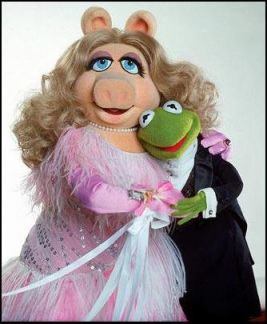
Wedding for Kermit and Ms Piggy, and Many Others

There is typically an element of uncertainty in any relationship as to whether a couple will ultimately end up together and get married. In some cases, the drama is more exhaustive than others; Kermit and Ms Piggy are one such example. Their relationship has been a work in progress since the 70’s and has persevered through TV shows, video games, theme park appearances and many movies, including the recently released “Muppets Most Wanted.” Here are some other Hollywood couples who have had their own turbulent relationships.

Carrie and Mr. Big

The relationship of “Sex and the City’s” Carrie Bradshaw and Mr. Big held fans of the series captive for six seasons. Many hearts were broken along the way, including Carrie’s several times; most famously when they were supposed to get married and Big left her standing at the altar in a Cinderella wedding gown. At the series’ conclusion Mr. Big follows Carrie to Paris and convinces her to come back to New York so they can be together.

Carrie and Brody

Carrie and Brody from “Homeland” definitely have challenges in their relationship. In this popular Showtime series, she is a CIA officer with a bi-polar disorder and he is a Marine Corp sniper who was previously held captive by Al-Qaeda. There have certainly been cloak and dagger elements to Kermit and Ms Piggy’s relationship, but the Homeland characters may have more riding on the outcome.

Olivia Pope and President Fitzgerald Grant

Even though “Scandal’s” President Fitzgerald Grant is the most powerful man on the plant, he and Olivia Pope can’t seem to make their relationship to work, no matter how hard they try. When evaluating relationships with challenges, one that involves a married president trying to have an extramarital affair with a former employee and trying to run the country at the same time is in a class by itself.

Ross and Rachel

No list of “on again off again” relationships would be complete without Rachel and Ross of “Friends.” Their ups and downs were chronicled over 10 years of the hit TV show. In the last season, they finally get their happy ending; Rachel is on her way to Paris to start a new job and Ross convinces her he loves her and gets her to stay in New York.

There are many great relationship sagas; some are personal and private and others play out on the big screen, like the one between Kermit and Ms Piggy. No matter your preferences, it can sometimes be hard to predict which couples will get married and which ones will not.

Pros and Cons of Eloping

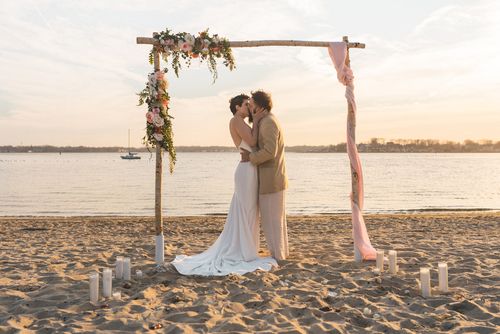
Are you overwhelmed by the idea of hosting hundreds of people at a grand wedding? Eloping is a romantic alternative that can save you time and lower your stress. Of course, there are still pros and cons to consider before making your final decision about how you want to get married. As a couple contemplating elopement, you’ll find this guide invaluable in navigating the complexities of such a choice.

Pro # 1: Intimacy and Romance

Eloping offers a level of intimacy and romance that is hard to replicate in a traditional wedding setting. There’s a unique sense of closeness when it’s just the two of you exchanging vows in a secluded spot far from the crowd. 

When you’re away from everyone else, you can create a ceremony that is personal and meaningful. You can choose whether or not to include religious and spiritual elements or simply honor your love by reading each other a letter.

Pro #2: Reduced Stress and Costs

Planning a traditional wedding can be a logistical nightmare and a financial strain. Eloping eliminates much of this stress. There are no guest lists to manage, no seating charts to agonize over, and no need to break the bank on a lavish reception. The money saved can be used for other important life goals, such as buying a home or embarking on a dream honeymoon.

Pro #3: Flexibility and Freedom

If you plan to elope, you will enjoy far more flexibility and freedom than you would planning a large wedding. You won’t have to worry about choosing a venue or church that can hold your guests, which will give you many location options.

The same freedom applies to your choice for the time of day and time of year. There are no rules to follow except those you set for yourselves. You could get married at sunrise on a tiny beach in Thailand or exchange vows on the Cliffs of Dover in early spring. The options are endless.

Con #1: Missing Family and Friends

A significant downside of eloping is that you may miss having your friends and family by your side. Getting married is a big deal, and sharing that milestone with those you love makes it more special.

You always have the option of inviting a few people to your elopement. You could include your parents, a mentor, or a handful of close friends. Just because you want to elope doesn’t mean you can’t have a couple of your loved ones with you.

Con #2: Lack of Wedding Traditions

Most elopements lack many of the wedding traditions you might be used to. If you have always dreamed of making a grand entrance, walking down the aisle, having a first dance, cutting a cake, and more, then you might feel disappointed when you elope. This is even more true if you want to honor your religious, spiritual, or cultural background.

Con #3: Working Through Legal Issues

You might have to work through challenging legal issues and other logistical concerns to elope.  If you want to elope outside of your home country, research the marriage laws and regulations of your ideal destination. Many countries still don’t allow legal same-sex marriages, so that may limit your options if you’re a queer couple.

Finding Your Path to Happily Ever After

The decision to elope or have a traditional wedding is deeply personal. It doesn’t mean you have to exclude your loved ones or forgo your favorite wedding traditions. What matters most is that your wedding day reflects your love story and creates lasting memories that you both cherish.

Whether you choose to elope or not, make sure it’s a decision that resonates with you and your partner because it will set the stage for your new life together.

A Guide for Planning an Intimate Wedding

Grand, extravagant weddings get a lot of attention on social media, but there are so many other ways to get married. Intimate weddings have become a popular choice for couples seeking a more personal and meaningful celebration. If you choose an intimate or small wedding, you will have the chance to get creative while focusing on your love and those who are closest to you. This guide has all the info you need to plan the perfect intimate wedding.

Crafting Your Vision

Because you don’t have to follow any prescribed big-wedding traditions, your vision will mean everything when planning a small wedding event. You’ll have to start with big-picture concepts that both you and your partner agree on. Do you want a rustic outdoor celebration, an elegant indoor affair, or something entirely different? Consider the season, location, and overall atmosphere that resonates with both of you. Your vision will serve as the foundation for all your wedding decisions.

Deciding on Your Guest List

Unlike larger weddings, you will need to limit your guest list if you want to achieve the perfect intimate wedding. If you have a large family with many extended branches, you’ll have to pick and choose who to invite. Alternatively, you could keep one aspect of your wedding intimate, such as the ceremony, but still hold a large-scale reception for all the other family members.

If your dream is to have a small wedding, you will need to communicate your vision and desires to the people you care about. You might find that the people who love you are a lot more understanding than you expected.

Choosing a Location

Choosing a location can help you curate your vision for an intimate wedding. If you go for a destination wedding that is far from home, you will find that fewer people choose to attend, which will automatically limit your guest list. On the other hand, you can opt for venues closer to home such as a local beach, park, or your own backyard. The venue needs to align with your vision and accommodate you and your guests comfortably. Intimate weddings often take place in smaller, more unique locations, such as a charming garden, a cozy barn, or a historic inn.

Personalizing Your Ceremony and Reception

Intimate weddings offer the perfect opportunity to infuse your personality into every aspect of the celebration. Consider having a friend or family member officiate your wedding or invite a non-denominational minister. During the ceremony, you can read your own vows and involve close friends and family in special roles. This gives you an opportunity to share your unique love story and highlight what makes your relationship special.

For the reception, you can get as involved or be as hands-off as you want. It’s not uncommon for intimate receptions to take place at a restaurant or family member’s home. These options often relieve financial and logistical stress but might feel too disconnected from your vision. In that case, exploring catering options for small groups might be the way to go.

Capturing the Moments

Every wedding is a collection of moments that tell the story of your love. With an intimate wedding, you have the advantage of spending quality time with your guests, which creates more opportunities for candid and meaningful moments. Hire a photographer and videographer who specialize in capturing the essence of small, intimate gatherings, or ask friends and family members to step in with their own devices and share the photos and videos with you online.

Organizing an intimate wedding allows you to prioritize what truly matters: your love and the people you hold dear. Embrace the intimacy of the occasion and savor each memory. Remember that your wedding day can be as unique as your love story, and it can be whatever you want it to be.

Wedding Traditions in Indigenous Cultures

Weddings are a universal celebration of love and union, but the ways in which they are celebrated vary widely across different cultures. Indigenous cultures, with their rich histories and deep-rooted traditions, offer unique and meaningful wedding rituals that reflect their values, beliefs, and community ties. This blog explores some fascinating wedding traditions from various Indigenous cultures around the world.

Native American Wedding Traditions

Native American tribes each have their own distinct wedding customs, often involving intricate ceremonies that emphasize the connection to nature, spirituality, and community.

The Navajo Wedding

In the Navajo tradition, weddings are deeply spiritual and connected to the earth. A traditional Navajo wedding is held inside a Hogan, a sacred structure. The couple sits on a woven Navajo blanket and exchanges vows, often including prayers and blessings from a medicine man. Cornmeal, a symbol of prosperity and fertility, is sprinkled around the couple. The ceremony concludes with the couple sharing cornmeal mush, symbolizing their new life together.

The Hopi Wedding

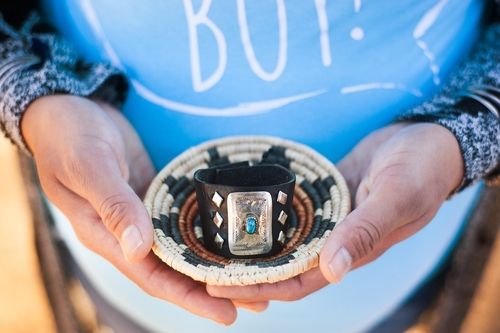
Hopi wedding ceremonies include the making of Piki bread by the bride. This paper-thin bread is a symbolic demonstration of her ability to provide for her family. The ceremony also involves the exchange of turquoise jewelry, which holds significant spiritual value in Hopi culture. The couple then plants a corn seed together, symbolizing the growth of their new life.

African Indigenous Wedding Traditions

Africa is home to a myriad of Indigenous cultures, each with unique wedding practices that often incorporate elaborate rituals, vibrant attire, and community involvement.

The Maasai Wedding

In Maasai culture, weddings are elaborate affairs that can last several days. The bride is adorned in elaborate beadwork, and her head is shaved to signify a new beginning. The ceremony includes a blessing from the elders and a traditional dance where the bride’s family showcases their joy and pride. One significant ritual is the “jumping dance,” performed by the groom and other warriors to demonstrate their strength and attract blessings.

The Zulu Wedding

Zulu weddings are vibrant and festive, involving traditional attire, music, and dance. The bride wears a traditional beaded dress and is presented to the groom’s family. The ceremony includes the “lobola” or bride price, where the groom’s family offers cattle or other gifts to the bride’s family. This practice strengthens ties between the families. The wedding feast is a significant part of the celebration, featuring traditional Zulu cuisine and communal dancing.

Indigenous Australian Wedding Traditions

Indigenous Australian cultures have diverse and rich wedding traditions that are deeply connected to their ancestral lands and spiritual beliefs.

The Traditional Smoking Ceremony

A smoking ceremony is a traditional ritual used by many Indigenous Australian groups to cleanse and protect the couple. Leaves from native plants are burned, and the smoke is wafted over the couple to ward off evil spirits and bring good luck. The ceremony also involves storytelling, where elders share ancestral stories and wisdom with the newlyweds.

The Exchange of Gifts

In some Indigenous Australian cultures, the exchange of gifts between families is a crucial part of the wedding ceremony. These gifts often include traditional tools, weapons, or artworks that symbolize the merging of the two families and their continued cooperation and support.

Wedding traditions in Indigenous cultures are deeply rooted in their respective histories, spiritual beliefs, and communal values. These traditions offer a rich tapestry of rituals that honor the union of two individuals while emphasizing the importance of community, nature, and ancestry. Each tradition provides a unique perspective on love, commitment, and the beginning of a shared journey. By exploring these diverse customs, we gain a deeper appreciation for the rich cultural heritage that continues to inspire and shape the way we celebrate love and marriage around the world.

Uniting Traditions: Wedding Rituals Involving Animals Around the World

Weddings are not just a union of two people but also a celebration of culture, tradition, and often, the natural world. Among the diverse customs that highlight the global tapestry of wedding traditions, the use of animals in ceremonies stands out. These rituals, which often involve animals, underscore the deep connection between cultural practices and the animal kingdom, reflecting beliefs, bringing good luck, and sometimes even foretelling the newlyweds’ future. 

The White Wedding Horses of India

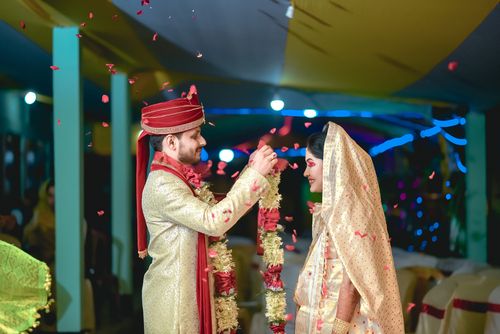
In India, particularly in Hindu weddings, the groom’s arrival on a white horse is a significant part of the ceremony known as the “Baraat”. The horse, beautifully adorned with vibrant fabrics and sometimes even jewels, symbolizes nobility, purity, and the historical significance of the groom’s journey to his bride. This majestic animal is not only a spectacle for guests but also a bearer of good fortune and prosperity for the couple’s future life together.

The Geese of a Korean Wedding

In traditional Korean weddings, a pair of geese or ducks plays a crucial role. These birds, usually carved from wood or sometimes real, are given by the groom to his mother-in-law in a ritual called “Jeonanrye”. Geese mate for life, so they symbolize fidelity and the commitment the couple is making to each other. This thoughtful gesture highlights the values of loyalty and unity, which are central to Korean family life.

The Black Neck Crane Dance of Bhutan

In Bhutan, the black neck crane is an enduring symbol of peace and longevity, which makes its dance an auspicious sign at weddings. During some ceremonies, dancers wearing crane costumes perform elegant and symbolic dances that are believed to bring blessings and eternal love to the newlyweds. This ritual reflects the deep respect and harmony the Bhutanese people hold for their natural environment and its sacred animals.

The Butterfly Release Ritual

Popular in various countries, including the United States, the release of butterflies at the conclusion of the wedding ceremony is a visually stunning tradition. Each butterfly’s flight symbolizes new beginnings and the hope for a joyful future. This practice not only adds a magical element to the celebration but also embodies the transformation the couple undergoes as they start their new life together.

The Camel Processions of Rajasthan

In the desert landscapes of Rajasthan, India, camels are integral to local weddings. Decorated in colorful attire and sometimes painted, camels feature in large processions that celebrate the journey of the groom to the wedding venue. These animals are not only practical in the sandy terrains but are also considered symbols of love and endurance, reflecting the long-lasting nature of the marriage being celebrated.

Sheep at Scottish Weddings

In some rural parts of Scotland, it’s considered good luck for the wedding procession to cross paths with a sheep. Sheep are symbols of innocence and abundance, and encountering one on the wedding day is believed to ensure a fruitful and prosperous marriage. In these communities, the presence of a sheep is a welcome sight at any wedding procession, embodying hopes for both wealth and a growing family.

The Role of Elephants in Thai Ceremonies

In Thailand, elephants are often part of the wedding day, especially in traditional ceremonies in regions where these majestic creatures are revered. The elephant is considered a symbol of strength, good luck, and prosperity. Having an elephant at a wedding is believed to bless the union with these qualities, especially if the couple gets an opportunity to feed and interact with the animal during the ceremony.

These wedding rituals featuring animals highlight the richness of cultural diversity and the various ways in which societies value and respect the natural world. They remind us that animals are not only vital to our ecosystems but are deeply ingrained in our cultural expressions and celebrations of life’s significant moments. Each tradition, with its unique symbolism and significance, adds to the depth and beauty of the matrimonial union, making the ceremony memorable not just for the couple but for all who participate.

Post-Wedding Rites in Different Cultures

Weddings are a union of two individuals and a fusion of traditions, customs, and cultures. While the wedding ceremony often garners the most attention, post-wedding rites can be equally fascinating and significant. These rites, which vary widely across different cultures, integrate the couple into their new roles and families and often carry deep symbolic meanings. Let’s explore some of the unique and diverse post-wedding rites from around the world.

Hindu Post-Wedding Rites

Vidaai (Farewell Ceremony)

In Hindu weddings, the Vidaai marks the bride’s departure from her parental home. This emotionally charged rite signifies the bride’s transition to her new family. The bride’s family blesses her, and she often throws rice over her shoulder as she leaves, symbolizing prosperity for her parents’ home.

Griha Pravesh (Entering the New Home)

Once the bride arrives at the groom’s house, a Griha Pravesh ceremony is performed. The bride is welcomed by her new family, often with an Aarti (a ritual of worship) and a traditional game where she kicks over a pot of rice at the entrance, symbolizing the ushering in of prosperity and abundance into her new home.

Chinese Post-Wedding Rites

Tea Ceremony

In Chinese culture, the tea ceremony is an integral post-wedding ritual. The newlyweds serve tea to the groom’s family as a gesture of respect and gratitude. This rite also signifies the bride’s acceptance into the groom’s family. The family members, in return, give gifts or red envelopes filled with money to the couple as blessings.

Three-Day Return

Three days after the wedding, the bride returns to her parental home with her husband. This visit, known as “hui men,” is a formal recognition of the bride’s new status as a married woman and allows her to introduce her husband to her family.

Jewish Post-Wedding Rites

Sheva Brachot (Seven Blessings)

In Jewish tradition, the Sheva Brachot, or Seven Blessings, continue for seven days after the wedding. Each night, friends and family gather for festive meals, and the Seven Blessings are recited over wine. This period of joy and celebration reinforces the community’s role in the couple’s life.

Yichud (Seclusion)

Immediately following the wedding ceremony, the bride and groom retreat to a private room for Yichud. This seclusion allows the couple to share their first moments alone together as husband and wife, symbolizing their new private life.

African Post-Wedding Rites

Libation Ceremony

In many African cultures, post-wedding rites include a libation ceremony, where elders pour a drink, often water or alcohol, onto the ground to honor ancestors and seek their blessings for the newlyweds. This ritual underscores the importance of ancestral approval and guidance in the couple’s new journey.

Knocking Ceremony

Among the Akan people of Ghana, the post-wedding “knocking” ceremony is a time for the groom’s family to formally introduce the groom to the bride’s extended family. This event is marked by speeches, gift exchanges, and shared meals, solidifying the union between the two families.

Native American Post-Wedding Rites

Blanket Ceremony

In some Native American traditions, a blanket ceremony is performed after the wedding. The couple is wrapped in a single blanket, symbolizing their unity and the warmth of their new life together. This rite represents the couple’s commitment to support and protect each other.

The Stomp Dance

For tribes like the Cherokee, the Stomp Dance is a communal event that often follows the wedding. This dance is a celebration of community and harmony, with the newlyweds participating alongside their family and friends, reinforcing their place within the tribe.

Post-wedding rites across different cultures reflect the rich tapestry of human traditions and the universal significance of marriage. These rituals, whether they involve ceremonial tea, ancestral blessings, or communal dances, highlight the importance of family, community, and tradition in the lives of newlyweds. By understanding and appreciating these diverse practices, we gain insight into the myriad ways love and commitment are honored around the world.

Make Sustainability Your Wedding Theme With These Ideas

It is hard to deny the impact that climate change is having on the planet. While big corporations and organizations are causing the most damage to the planet through large-scale disasters that are never actually remedied, consumers tend to take on the responsibility of correcting the scales. One way average people do this is by focusing on sustainability. If you’re someone who cares about the environment, you may want to find ways to incorporate sustainable practices into your big day. Review these ideas and see how you can cultivate an eco-friendly event. 

The Invitations

The journey to a green wedding begins long before the special day arrives. You have several alternatives available to you when it comes to traditional paper invitations, for example. If you want to ditch paper altogether, consider switching to a digital method of delivery. It might seem less “polished” to send your wedding invites through email, but it is a fantastic way to reduce your wedding’s overall carbon footprint. Plus, you’re likely to receive faster and more reliable responses when you use an online portal to keep track of guests. 

If you’re beholden to the idea of traditional invitations, consider using paper alternatives. “Seed paper” is great for this. Basically, this is paper that is made with plant seeds woven throughout. After a guest receives the invite, he or she can plant it in the ground or a pot and watch as a lovely bit of greenery blooms in their space. 

The Venue

Where you host your event can also have a big impact on how eco-friendly your nuptials turn out. You should aim to use a venue that follows practices that align with your views on sustainability. For example, recycling might be very important for you. While it is a legal requirement for businesses in some areas, not all counties require companies to recycle. This means you should speak with the venue coordinator in advance and ask any questions that pertain to your core beliefs surrounding eco-friendly solutions. 

There are a number of great resources online to help you find businesses that care about the environment. One of the biggest databases can be found through the United States Government’s Library of Congress website. Their list of “Green Businesses” includes a plethora of profiles, articles, and news sources about sustainable businesses around the country.

The Decor

Another area to focus on when you’re thinking about sustainable wedding practices is decor. The flowers you pick for your wedding can play a big part in how much of an impact your event has on the planet. If you select flowers that are grown in another part of the world, then you’re putting more strain on the environment by picking plants that need to be shipped via various methods from one location to another. Instead, try to focus on flowers that are sourced locally. 

Another smart option with your flowers is to pick plants that are currently in season. Not only is this a green practice, it can save you a good chunk of change. Flowers that are in bloom are easier to source, meaning they don’t usually cost as much as flowers that grow during different times of the year. 

The Food

Think about food in the same way you think about your floral arrangements. Opt for caterers that use meat and ingredients that are sourced locally. This will reduce your carbon footprint and also help you support businesses in your area. What’s more, you tend to get more delicious and fresh meals when you follow this concept. 

The Future

There are plenty of ways to make your wedding align with your personal views about the environment. As long as you think about all of the ideas available to you, you’ll have no trouble reducing your event’s impact on the planet.

How To Use Perfume To Make Your Wedding Day Memorable

On your wedding day, every detail, from the dress to the decorations, will stick in your memory for years to come. One often-overlooked aspect that can significantly enhance your wedding experience is perfume. The right scent can evoke emotions, create lasting memories, and add a personal touch to your special day. Here’s how you can use perfume to make your wedding day more memorable.

Embrace the Power of Perfume

The mind has a unique connection to scent, and certain smells can even trigger memories and evoke emotions. Choosing a perfume for your wedding day is one way to add another layer of memory. Whether it’s the delicate fragrance of gardenias or the warm embrace of vanilla, the right perfume can transport you to the joyous moments of your wedding day. That’s the power of perfume.

Match Your Perfume to the Season

Perfumers use thousands of ingredients to create bottled fragrances, and each one can smell different depending on the season and the weather. If you love light floral fragrances with freesia and lily-of-the-valley, you might be disappointed by how they smell in the winter. Here are the types of fragrances that work best for each season:

  • Spring: Opt for light and fresh floral fragrances with notes such as jasmine, peony, grapefruit, tuberose, lotus, and gardenia.
  • Summer: Embrace uplifting and fruity fragrances with notes such as lemon, coconut, seawater, pineapple, tiare flower, bergamot, and pink pepper.
  • Fall: Look for rich and cozy amber and spicy fragrances with notes of vanilla, apple, cinnamon, tobacco, tuberose, rose, incense, and spices.
  • Winter: Choose elegant and intense woody, musky, and amber fragrances with notes of cedarwood, patchouli, honey, musk, warm spices, oud, amber, frankincense, benzoin, and sandalwood.

When you take the weather and climate into account, you will get better performance from your perfume. Not to mention that your future spouse and guests will be very impressed by your savvy choices. 

Find Your Signature Scent

Before your wedding day, take the time to find a perfume that resonates with you. Visit fragrance counters to sample different perfumes and find one that complements your personality and style. Remember that fragrances change throughout the day, so it’s important to try before you buy. You may love the initial blast of scent but feel turned off by the aroma at the end of the day.

Be bold when you pick a scent for your big day. Whether you prefer floral, fruity, or woody notes, choose one that makes you feel confident and beautiful, even if it isn’t what someone else would wear.

Layer for Longevity

To ensure your perfume lasts throughout the day, use a layering technique. Start by applying a scented or unscented body lotion or oil to hydrate your skin and create a base for the fragrance. Follow up with your chosen perfume applied to pulse points such as wrists, neck, and behind the ears. By layering your scent, you’ll enhance its longevity and leave a lasting impression.

Enhance the Atmosphere

Incorporate scented details into your wedding decor to create a cohesive sensory experience. Use scented candles or diffusers in your venue to set the mood and create a welcoming atmosphere. Floral arrangements with fragrant blooms of roses or lavender can infuse the air with a subtle scent that compliments what you’re wearing.

Long after your wedding day has passed, the scent you wore will continue to evoke memories of your experience. Consider wearing the same perfume on your anniversary every year or when you go on a romantic trip with your spouse. You can also preserve the scent by spritzing it on fabric items like your wedding dress or veil, creating a tangible reminder of the love and happiness you felt that day.

Everything You Need To Know About Picking a Signature Wedding Drink

Customizing your wedding with small details is a great way to showcase the unique personalities of both yourself and your partner. While there are many ways to go about this, one simple and effective choice is coming up with a signature drink. Whether you opt for a classic mixture like a tequila sunrise, a clever mocktail, or a completely original blend, the right refreshment can go a long way to bring your big day together.  

Explore the Reasons for a Specialty Drink

Creating a specialty cocktail for your event is a fun way to express yourself, but it’s also very practical. Paying for an unlimited open bar can be a huge expense. When you settle on serving signature drinks, you can limit the liquor that is offered at the bar and save some money without denying your guests options beyond wine and beer. This choice can also be a lot of fun, allowing you to come up with silly and clever names for your drink. 

Consider Your Favorite Liquors

When going about the process of choosing your signature drink, you want to begin with the basics. Namely, you should think about your favorite liquor options. Do you enjoy clear spirits like vodka or gin? Do you prefer darker intoxicants like whiskey and spiced rum? Once you have selected the right alcoholic base, you can start looking at mixers and herbs that perfectly complement your choice. 

Create the Drink Based on Your Life

One way you can create your cocktail is by having it reflect your love story. If you took a walk along the beach on your first date, then consider a bay breeze, which is made with coconut rum, pineapple juice, and a splash of cranberry juice. If you spend a lot of time in a big city together, Manhattan could prove to be a perfect drink choice. This simple mix is made with whiskey, sweet vermouth, bitters, and a maraschino cherry. 

Think About More Than One Choice

If you’re having a difficult time choosing just one drink for your big day, it’s OK to pick more than one signature beverage. People can be particular when it comes to the liquors they prefer, meaning you don’t want to offer only bourbon to a crowd that heavily prefers vodka. However, you don’t want to go overboard and offer too many drinks. According to industry experts, you should have no more than four signature drinks. Offering too many options can put unnecessary pressure on your bartenders and defeat the purpose of serving a limited selection of drinks. 

Play With Names

After you’ve come up with your cocktails, it is time to devise some cute names that describe the drink and reflect your relationship. Puns will be a lifesaver in this scenario, so get as wacky as you’d like while brainstorming ideas. If you’re doing a basic vodka and cranberry, the name could be something like “Berry Much in Love.” Any drink that incorporates mint could easily use the name “Mint To Be.” 

Use Bar Menu Signs

Finally, don’t forget to have signage for the drinks. Guests will need to know what you’re offering, what’s in each cocktail, and the special significance the beverages hold to your relationship. Cute signs that feature the colors and theme of your wedding can help to tie the entire experience together. 

Find the Ideal Drink

Though concocting a specialty cocktail is not a requirement for your wedding, it can be a fun way to enhance the festivities. Consider what ingredients will best encapsulate the relationship you’ve built with your partner and provide your family and friends with a delicious refreshment they will keep coming back to